
Call us now :08071794442
 Send Inquiry
 Send Inquiry
Household Refrigerating Appliances ISI Certification
Price 45000 INR/ Number
Household Refrigerating Appliances ISI Certification Specification
- Frequency
- 50 Hz
- Product Type
- Household Refrigerating Appliances
- Voltage Range
- 110V to 240V AC
- Energy Efficiency Rating
- Available up to 5 Star
- Certification Type
- BIS ISI Marking
- Temperature Range
- -18°C to +8°C
- Climate Class
- T, ST, N, SN
- Cooling Type
- Compressor Based / Frost-Free
- Refrigerant Used
- R600a / R134a
- Application
- Domestic / Household Use
- After Sales Support
- Available through authorized service centers
- ISI Mark Logo Placement
- As per BIS Guidelines
- Standard
- IS 1476 (Part 1): 2000 / IEC 60335-2-24:2010
- Cabinet Material
- Pre-coated Galvanized Steel / ABS Plastic
Household Refrigerating Appliances ISI Certification Trade Information
- Minimum Order Quantity
- 30 Number
- FOB Port
- Pan India
- Payment Terms
- Cash on Delivery (COD), Cash Advance (CA), Cash in Advance (CID), Cheque
- Supply Ability
- 30 Per Month
- Delivery Time
- 30 Days
- Main Export Market(s)
- Asia, Australia, Central America, North America, South America, Eastern Europe, Western Europe, Middle East, Africa
- Main Domestic Market
- All India
About Household Refrigerating Appliances ISI Certification
Refrigerators with or without low temperature are covered under IS17550 (Part 1) : 2021. This standard (Part 1) specifies the essentialcharacteristics of fully factory assembled household refrigerators with orwithout crisper, ice-making, or frozen food storage compartments, as well asthe test methods for determining those characteristics.
The tests described in the Indian Standard are type tests thatapply to the Tropical Class (T) appliances. This standard applies to householdrefrigerating appliances classified as Tropical Class (T) and is intended foruse in ambient temperatures from 18C to 43C.
Household refrigerators must be built so that they provideadequate performance and durability in use. A series of relevant tests are usedto evaluate their performance in use. It is mandatory to have ISI Mark on theproducts to sell in the Indian Market and avoid the penalty as per thegovernment norms.
Feel free to contact us to get your BIS Certification to have ISI Mark on yourproducts.
Rigorous Performance, Trusted Safety
Certified under IS 1476 (Part 1): 2000 and IEC 60335-2-24:2010 standards, these household refrigerators undergo meticulous testing to meet safety and functional benchmarks for the Indian market. The ISI mark signifies the product's compliance, offering users peace of mind regarding reliability, energy efficiency, and safe operation for everyday domestic applications.
Versatile Design for Indian Homes
These appliances cater to diverse household requirements, featuring a broad voltage range and adjustable temperature settings. With cooling options like frost-free and compressor-based technology, alongside sturdy cabinet materials, users benefit from both convenience and durability. Energy efficiency ratings up to 5 stars ensure lower electricity consumption without compromising cooling performance.
FAQ's of Household Refrigerating Appliances ISI Certification:
Q: What is the significance of the ISI certification for household refrigerating appliances in India?
A: The ISI certification, mandated by BIS, confirms that the refrigerator adheres to strict safety, quality, and performance standards as per IS 1476 (Part 1): 2000 and IEC 60335-2-24:2010. This assures buyers of consistent function and adherence to government regulations.Q: How is the ISI Mark logo placed on these refrigerators?
A: The ISI mark logo is affixed in accordance with BIS guidelines, typically on the product's cabinet where it is clearly visible, verifying its certification status to users and authorities.Q: What is the process for obtaining BIS ISI certification for manufacturers and suppliers?
A: Manufacturers, distributors, and other stakeholders must apply to the Bureau of Indian Standards, submit product samples for evaluation, undergo factory inspections, and ensure ongoing compliance with relevant standards. Upon successful assessment, they receive authorization to use the ISI mark.Q: Where can consumers access after-sales support for certified refrigerators?
A: After-sales support, including maintenance and repair services, is available through authorized service centers designated by the manufacturer or supplier, ensuring expertise in handling certified models.Q: When should a household refrigerating appliance be considered energy efficient?
A: Energy efficiency is determined by the star rating system (up to 5 stars), which assesses the appliance's electricity consumption. Higher star ratings indicate superior efficiency, contributing to lower utility bills and reduced environmental impact.Q: How does climate class affect refrigerator suitability for domestic use?
A: Climate classes such as T, ST, N, SN specify ambient temperature ranges suitable for optimal operation. Selecting a unit matching the local climate ensures effective cooling and prevents mechanical issues.Q: What are the benefits of using R600a or R134a refrigerants in ISI certified appliances?
A: R600a and R134a are widely recognized for their environmentally friendly properties and efficient performance. Their use in ISI certified refrigerators guarantees compliance with safety standards and supports sustainable household practices.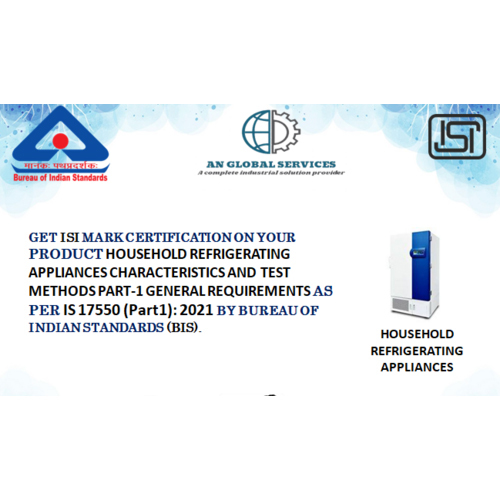
Tell us about your requirement

Price:
Quantity
Select Unit
- 50
- 100
- 200
- 250
- 500
- 1000+
Additional detail
Mobile number
Email

More Products in ISI Certification Services Category
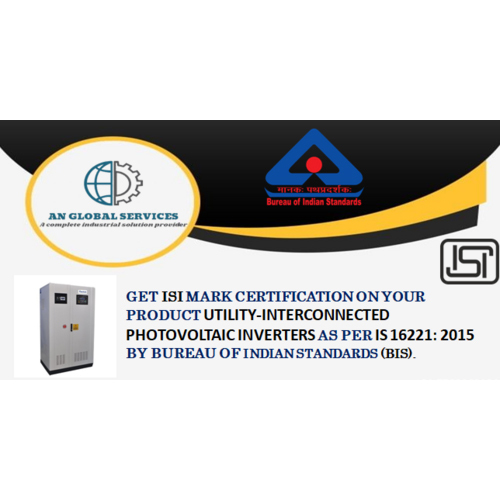
Utility-Interconnected Photovoltaic inverters ISI Certification
Price 40000 INR / Number
Minimum Order Quantity : 30
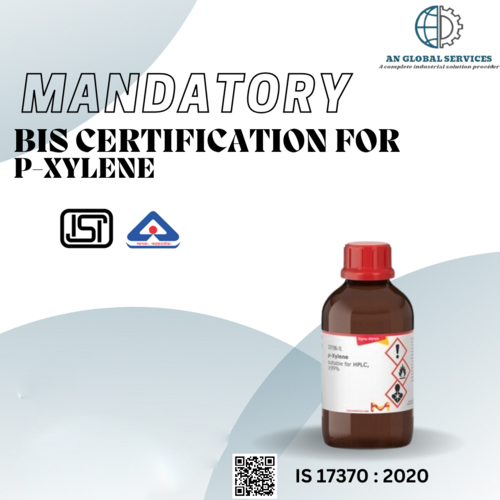
Mandatory BIS/ISI certification for P-Xylene
Price 40000 INR / Number
Minimum Order Quantity : 1 Number

 Send Inquiry
Our Products
- ISI Certification Services
- ISI Marking Services
- BIS Registration Services
- Solar Panel Certification Services
- WPC Certification Services
- Hallmarking Services
- Laser Soldering Machine
- HDPE Tarpaulin
- EPR Registration Services
- NABL Consultancy Services
- Laboratory Equipment
- MSME Registration Services
- Trademark Registration Services
- Calibration Certification Services
- Solar Panel Testing Service
- BEE Registration Services
- TEC Certification Services
- Gold Hallmarking Registration Services
- Testing Equipment
- Handicapped Tricycle
- Organic Makhana
- Protein
- Sanitary napkins
- Adult diaper
- Baby diaper
- Lactose 200 mesh


UNIT NO. S-63, 7th FLOOR, URBTECH NPX, PLOT NO. C-1, SECTOR-153, Sector 153, Noida, Gautambuddha NagarNoida - 201310, Uttar Pradesh, India

Mr Aayush Sharma
(Founder & CEO)
Mobile :08071794442
 Send Inquiry
 Send SMS
Developed and Managed by Infocom Network Private Limited.
